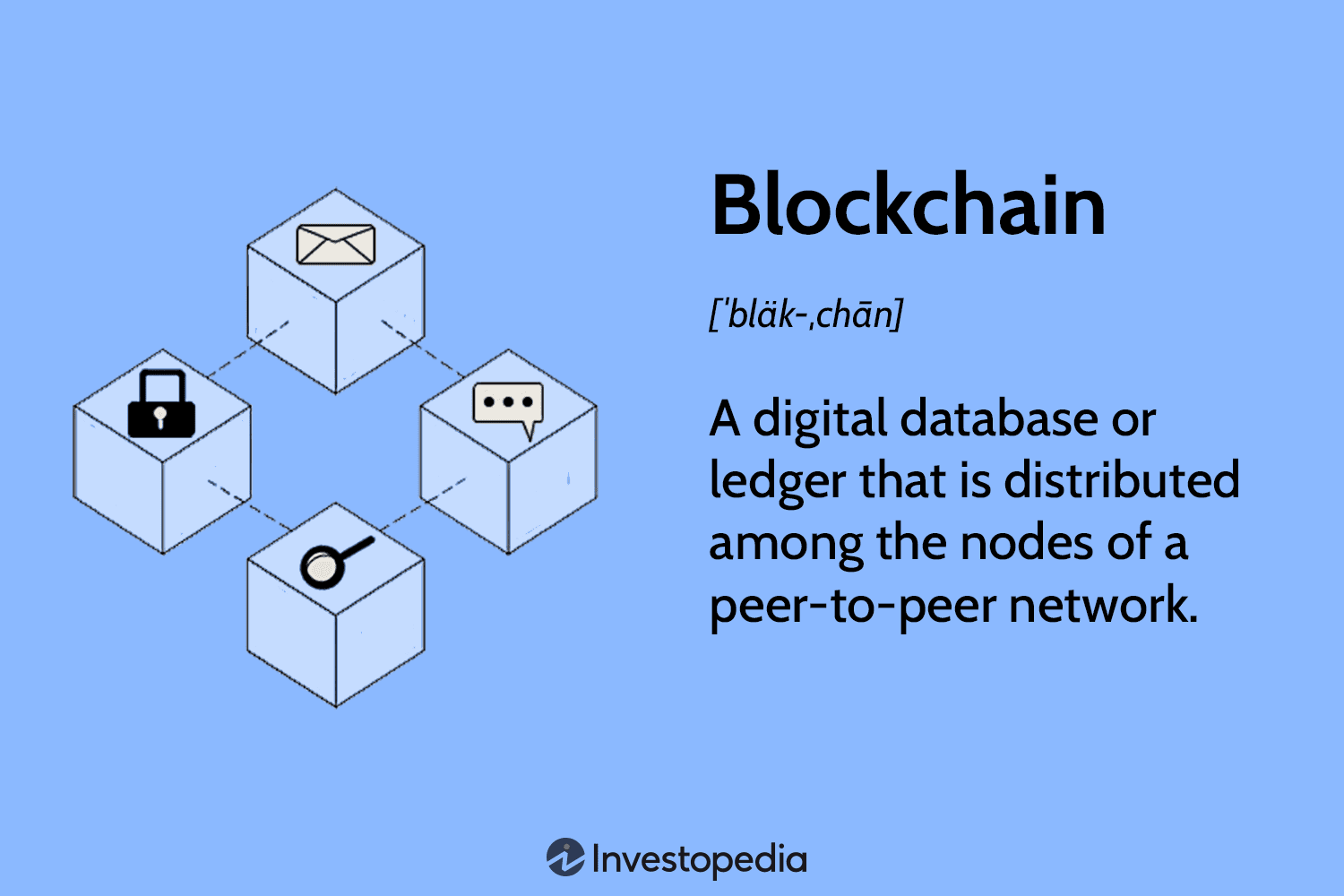
Why Blockchain is Important for Your Business
1. Security and Transparency
Blockchain’s cryptographic security makes it extremely difficult to alter transaction records. Every transaction is timestamped and linked to the previous one, forming an immutable chain of data. This transparency ensures that all participants can verify transactions independently, leading to increased trust in the system.
2. Decentralization
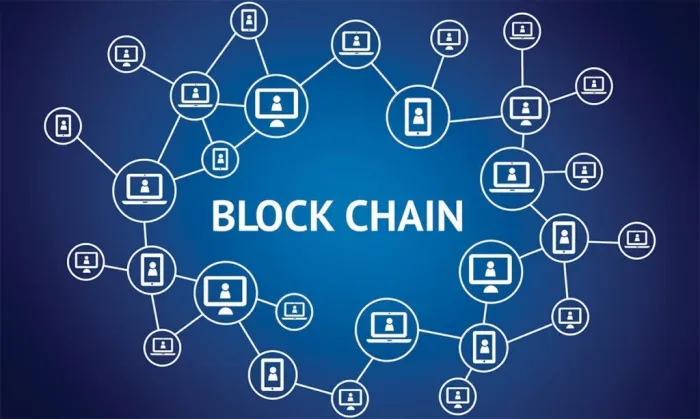
Unlike traditional centralized systems that rely on intermediaries (banks, government agencies), blockchain operates on a decentralized network. This means no single entity controls the system, reducing the risk of fraud and single points of failure. Blockchain enables peer-to-peer transactions, eliminating the need for intermediaries and lowering associated costs.
3. Efficiency and Cost Savings
Traditional financial systems, for example, require intermediaries like banks or payment processors, each adding transaction fees and delays. Blockchain allows for direct transactions between participants, eliminating the need for these intermediaries and speeding up processes. This cost-efficient method also reduces operational expenses and delays, particularly in cross-border payments.
4. Traceability and Accountability
Blockchain allows for complete traceability of transactions. Each step in a transaction can be tracked from start to finish, providing an audit trail. This is particularly valuable for industries like supply chain management and food safety, where knowing the provenance of a product is critical to ensure quality and prevent fraud.
5. Smart Contracts
One of the key innovations brought by blockchain is the concept of smart contracts. These are self-executing contracts with the terms of the agreement directly written into code. They automatically execute when certain conditions are met, reducing the need for manual intervention and ensuring trustless agreements between parties.
3. Healthcare
Blockchain offers significant advantages in the healthcare sector by improving data security, interoperability, and patient privacy.
- Secure Patient Data: Blockchain enables secure sharing of patient records between hospitals, clinics, and healthcare providers while maintaining patient confidentiality.
- Supply Chain for Pharmaceuticals: Blockchain ensures that pharmaceutical products are genuine and meet regulatory standards, reducing the risk of counterfeit drugs.
4. Voting Systems
Blockchain offers a secure, transparent, and tamper-proof voting system that can revolutionize the way elections are conducted.
- Secure Voting: Voter identity and votes can be verified and recorded on the blockchain, ensuring that the process is fair and transparent.
- Prevention of Fraud: Since blockchain is immutable, it reduces the risk of vote tampering and manipulation, offering a trustworthy system for elections.
5. Real Estate
Blockchain technology can transform the real estate industry by simplifying property transactions, making them faster, transparent, and more efficient.
- Property Title Management: Blockchain can be used to track property ownership and history, reducing fraud and the need for lengthy verification processes.
- Smart Contracts in Real Estate: Smart contracts enable seamless property transactions, automating the execution of agreements once specific conditions are met.
6. Intellectual Property and Digital Rights
Blockchain is also proving useful in managing and protecting intellectual property (IP). It provides a decentralized, secure, and transparent system for tracking the ownership and usage of digital assets.
- Digital Art: Blockchain ensures that digital art creators and collectors can verify ownership and authenticity of digital art assets.
- Music and Content Ownership: Blockchain provides artists with control over how their content is distributed and monetized, ensuring that they receive fair compensation for their work.
Challenges and Limitations of Blockchain
1. Scalability
While blockchain offers many advantages, it still faces challenges related to scalability. The most well-known blockchain, Bitcoin, is not capable of processing as many transactions per second as traditional payment networks like Visa. This limits its use for high-volume applications.
2. Energy Consumption
Blockchain networks that use Proof of Work (PoW) consensus mechanisms, such as Bitcoin, are known for their high energy consumption. The process of verifying transactions (mining) requires a significant amount of computational power, raising concerns about the environmental impact.
3. Regulation and Legal Issues
Since blockchain operates in a decentralized manner, it challenges traditional regulatory frameworks. Governments and regulators are still grappling with how to handle blockchain-based currencies and transactions in industries like banking and healthcare.
4. Adoption Barriers
Despite its potential, blockchain adoption remains slow in many industries. Many businesses are hesitant to fully embrace the technology due to its complexity, the need for specialized skills, and the lack of standardization.
Conclusion: Why Blockchain is the Future
Blockchain technology represents a revolution in the way we think about transactions, security, and transparency. Its ability to offer decentralization, immutability, and trust has the potential to disrupt a wide range of industries, including finance, supply chain, healthcare, and voting systems. While challenges remain, the future of blockchain is incredibly promising, and its widespread adoption is inevitable.
Is your business ready to explore blockchain? Web Loxic offers custom blockchain solutions that can help you take advantage of the many benefits blockchain has to offer. From cryptocurrency integration to supply chain management, we can help you unlock the potential of blockchain technology.
https://www.blockchain.com/